


Beyond Aesthetics: The Psychology of Space
The relationship between our environment and sleep quality runs deeper than many realize. Our brains are constantly processing environmental cues, even during rest, which means every design decision—from color temperature to material texture-can influence how quickly we fall asleep and how restorative that sleep becomes.
Research shows that environments perceived as calm and safe trigger the parasympathetic nervous system, our body’s “rest and digest” mode. This biological response is where design psychology becomes crucial. Natural materials like timber and stone don’t just look appealing-they connect us to environments our brains have evolved to find inherently restful.
The Human-Centric Approach
“Sleeping is something that is very subjective; everyone needs a different environment to be able to fall asleep,” explains Yaara Gooner, Head of Design at STAY. This insight drives what she calls a “human-centric” design philosophy-creating spaces that guests can adapt to their personal sleep preferences rather than imposing a one-size-fits-all solution.
This approach recognizes that optimal sleep design isn’t about following rigid rules, but about providing a flexible foundation. Temperature control, adjustable lighting, and intuitive environmental controls become essential tools that allow individuals to customize their space for maximum comfort.
The Details That Matter
Sleep-focused design operates on both macro and micro levels. While the overall aesthetic creates psychological calm, smaller details address the practical sleep disruptors that plague many accommodations. Blackout capabilities prevent early morning light intrusion, while sound-dampening materials reduce urban noise pollution. Even seemingly minor choices—like ensuring curtains meet properly or positioning air conditioning to avoid direct airflow-can make the difference between restful sleep and a restless night.
Colour psychology plays a particularly important role. Warm, earthy tones naturally lower cortisol levels and signal to our circadian rhythms that it’s time to wind down. Cool blues and greens can have similar effects, while bright, stimulating colours can inadvertently keep minds active when they should be settling.
Designing for Lasting Impressions
Dr. Neil Stanley, sleep expert and researcher, puts the importance of sleep-optimized environments in stark perspective: “You might not like the restaurant, the gym or the swimming pool in your hotel, but if you go somewhere and cannot sleep, I guarantee you will never go back to that property.”
This insight reveals how sleep science isn’t just about guest comfort- it’s about creating lasting positive associations with a space. When design successfully supports natural sleep patterns, guests don’t just rest better; they develop emotional connections to environments that made them feel genuinely cared for.
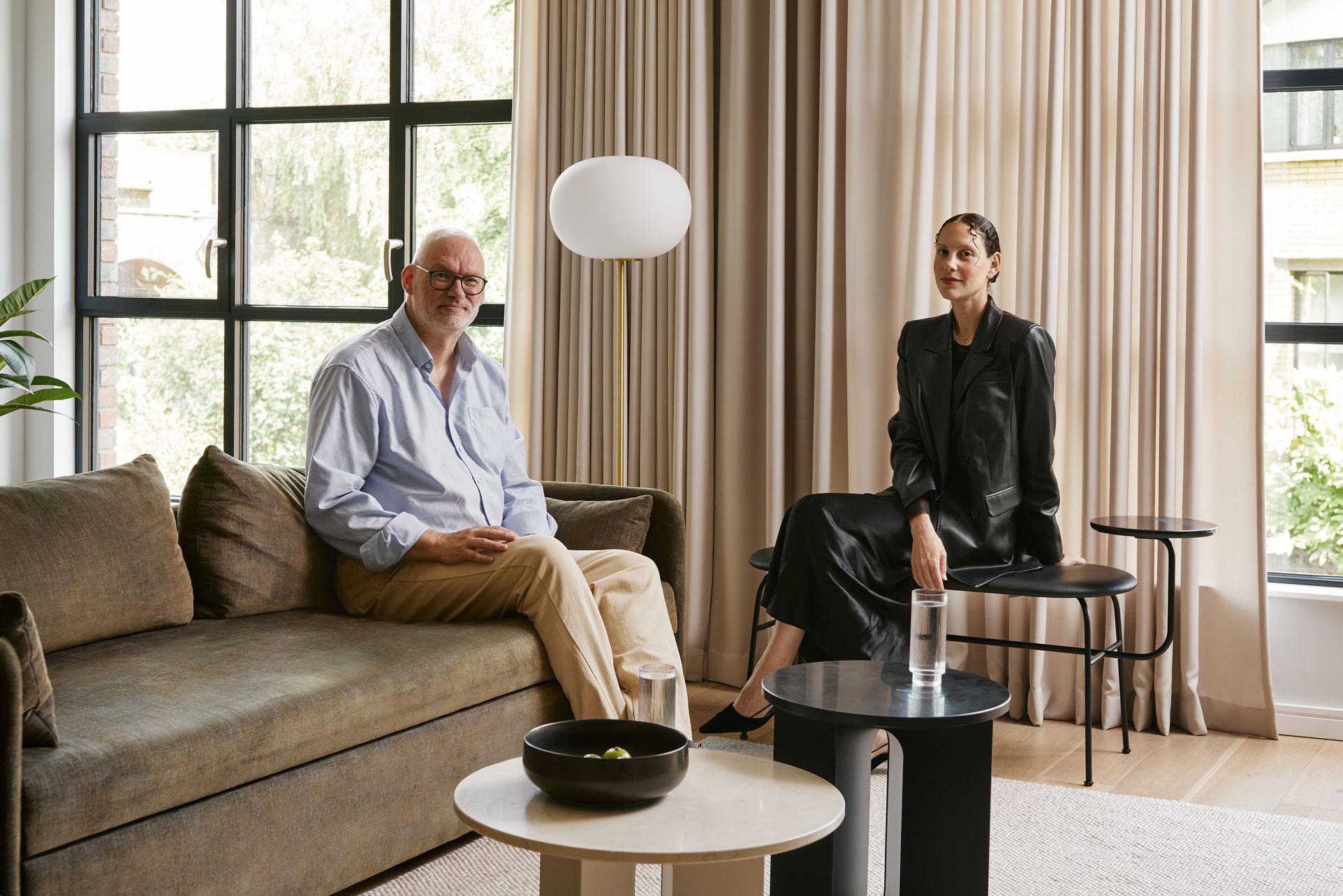
Read more on the conversation between sleep expert Dr Neil Stanley and Yaara Gooner, Head of Design at STAY and discover how STAY Camden puts these principles into practice.
Discover STAY Blogs
Lorem Ipsum dolor mannga bagoong